Saturday, January 4, 2014

வடமங்கலம் & கருமாங்கழனி: 3,000 year old turtle-shaped tomb found in Kancheepuram


காஞ்சிபுரம் அடுத்த ஏனாத்தூர் பகுதியில் சந்திரசேகரேந்திர சரஸ்வதி விஸ்வமகா வித்யாலயா பல்கலைக்கழகம் உள்ளது.

இதன் தொல்லியல் துறை சார்பில் துறைத்தலைவர் ராமகிருஷ்ண பிசபதி தலைமையில் குழுவினர் கடந்த 10 நாளுக்கு முன்பு ஸ்ரீபெரும்புதூர் அடுத்த வடமங்கலம், கருமாங்கழனி ஏரி அருகில் ஆய்வு மேற்கொண்டனர்.

அங்கு 2000 ஆண்டுக்கு முன்பு பயன்படுத்திய பழங்கால மனிதர்களின் கருவிகள் கண்டு பிடிக்கப்பட்டது. இதுகுறித்து துறைத்தலைவர் ராமகிருஷ்ண பிசபதி கூறுகையில், ‘பல்கலைக்கழக மாணவர்களுடன் தொல்லியல் துறையினர் ஸ்ரீபெரும்புதூர் சுற்றியுள்ள பகுதிகளில் ஆராய்ச்சி மேற்கொண்டு வருகிறோம். கடந்த 10 நாட்களுக்கு முன்பு வடமங்கலம், கருமாங்கழனி ஏரி அருகில் நிலத்தை தோண்டி ஆராய்ச்சி செய்தோம். அப்போது, 2000 ஆண்டுக்கு முன்பு வாழ்ந்த பழங்கால மனிதர்கள் விலங்குகளை வேட்டையாடுவதற்காக பயன்படுத்தப்பட்ட இரும்பு ஆயுதம் தயாரிக்கும் பட்டறை  கண்டுபிடிக்கப்பட்டுள்ளது. ஆயுதம் தயாரிக்கும் உபகரணங்களும் கிடைத்துள்ளன. கற்கால மனிதர்களின் மண்ணால் செய்யப்பட்ட குடுவை ஓடுகளும் கிடைத்துள்ளன.

இவற்றை காஞ்சிபுரத்தில் உள்ள ஆராய்ச்சி மையத்துக்கு கொண்டு சென்று துள்ளியமாக ஆராய்ச்சி செய்ய உள்ளோம்’ என்றார்.

The excavation of a tomb in Vadamangalam village in Kancheepuram district has demonstrated yet again that the entire district is a treasure trove of megalithic burial sites, which reflect the culture of an era buried in the annals of time.

About 3,000 years ago, when man discovered iron and its use as a tool and a weapon, the metal revolutionised life and society. That period is better known as Iron Age.

In Tamil Nadu, Iron Age also marked a practice of burying the dead and placing boulders in the form of a circle or constructing dolmens with slabs on the surface. They were meant to be memorials for the beloved relatives who passed away. Such places are called megalithic sites.

Kancheepuram district has the maximum number of megalithic sites in Tamil Nadu, followed by Pudukottai. In Kanchi district alone, there are about 150 megalithic burial sites out of which 103 are identified, notified and protected by the Archaeological Survey of India (ASI).

However, no habitation sites have be properly identified or found in Kanchi district till date. Kundrathur is believed to be a habitation site where people flourished 2,500-3,000 years ago, but a proper identification has not yet been done.

Among the areas identified as megalithic sites in Kanchi district are Tiruporur, Siruthavur, Thanur and Amirthamangalam near Maduranthakam, Pallavaram, Vadamangalam, Venbakkam and Sembakkam.

Though other districts too have megalithic sites, they are not as rich as Kancheepuram. Pudukottai district has about 70 such sites, including the famed Adichanallur in Tuticorin district where excavations started in the 19th century. Kodumanal near Erode is among the other notable megalithic burial places in Tamil Nadu.

http://tamilheritagefoundation.blogspot.in/2012/03/3000-year-old-turtle-shaped-tomb-found.html

http://www.deccanchronicle.com/130331/news-current-affairs/article/village-dates-back-iron-age

http://www.newindianexpress.com/states/tamil_nadu/article343755.ece

http://www.newindianexpress.com/states/tamil_nadu/article343753.ece


செங்கலூர் (SENGALUR: Ancient megalithic wares excavated near Pudukottai)


Hundreds of glass beads, beads made of semi-precious stones and terracotta, fragmented bangles, pot herds with graffiti marks are some of the rare excavations made at Sengalur village in Kulathur taluk in Pudukottai district. A rare gold foil, a couple of topaz stones and nine carnelian stones are some of the important excavations at the site.

The ASI took up the excavation at the village about two months ago and excavated the rare megalithic wares of Iron Age period dating back to 2,300 to 2,500 years ago.

Addressing the media persons at the site, D. Dayalan, Superintending Archaeologist, Temple Survey Project, Southern Region, ASI, said that Sengalur was one of the major sites with hundreds of megalithic edifices of different varieties on an extent of about 20 hectares. Both burial sites and habitation sites are located in the village and obviously, the ASI took up the excavation at both the places.

Megalithic wares at burial sites

A large number of pottery wares in red and black; ring stand with pots; terracotta wares; toy objects; bowls, lids and decorative pieces made of clay have been excavated.

The special feature of the village is that it accounts for a variety of Iron Age sepulchral monuments which could be broadly classified as stone circles with or without cairn packing; stone circle with cist burial of different types; cist burial with an extension in the front; urn burials; urn burials with capstone; menhir; rectangular shaped structure.

The burial sites testify to both the engineering skill of the people of the hoary past and their glory and honour to the dead. The sites have been well designed. It is bordered by an array of locally available laterite blocks of uniform size and shape. The presence of granite slab stones at the megalithic monuments indicates to the availability of the granite at a nearby village. At the bottom of the granite boulder, the ancient people had carved out a semi-circular shaped passage through which the objects used by the dead had been kept. “At least 300 burials have been found in this place, a rare feature in the entire South India,” says Dr. Dayalan.

On the objectives of the excavation, he said that the sepulchral monuments formed the foundation of all architectural edifices and hence a study of these earlier monuments would provide ample evidence to analyse the early architectural style, the mode of their execution, human resource management, equipment used so on and so forth. Among the megalithic burial sites, the rectangular structure was found only in Sengalur and Sittannavasal villages in Pudukottai district.

Excavation at habitation site

The study on habitation sites of Melapatti and Nathakadu villages in the vicinity has resulted in the excavation of many terracotta figurines, scores of glass beads, beads made of semi precious stone and terracotta, fragmented bangles, potsherds with graffiti markings.

The availability of a glass tube testified to the fact that the ancient people were good at making the glass beads and bangles. Another habitation site testified to the extraction of iron from the iron ore.

The Assistant Archaeologist, A. Anilkumar, said that steps were being taken to create awareness among the masses, especially school students on the importance of the megalithic wares. The excavated sites had been re-filled with earth, after documentation and digital photographing.

The village is 36 km from Tiruchi.

http://www.ifpindia.org/histatlas/Atlas_Files/pudukottai.html

http://www.thehindu.com/news/cities/Tiruchirapalli/ancient-megalithic-wares-excavated-near-pudukottai/article566336.ece

http://www.newindianexpress.com/states/tamil_nadu/article203623.ece


கொற்கை: 3,000 ஆண்டிற்கு முந்தைய முதுமக்கள் தாழிகள் கண்டுபிடிப்பு! (Korkai Excavation)


தூத்துக்குடி அருகே, பாண்டிய மன்னர் காலத்தில் துறைமுக பட்டணமாக திகழ்ந்த கொற்கை கிராமத்தில், 3,000 ஆண்டிற்கு முந்தைய முதுமக்கள் தாழிகள் கண்டுபிடிக்கப்பட்டுள்ளன. தூத்துக்குடி மாவட்டத்தில், காயல்பட்டணம், வீரபாண்டியபட்டணம், குலசேகரன்பட்டணம், கொற்கை உள்ளிட்ட கிராமங்கள், துறைமுக பட்டணமாக திகழ்ந்தன. இவற்றிக்கு, தலைமையிடமாக கொற்கை இருந்தது. இங்கிருந்து கடல் வழியாக கப்பல், படகுகளில், இலங்கை உள்ளிட்ட வெளிநாடுகளுக்கு முத்து, சிப்பி, பவளம் உள்ளிட்ட பொருட்களும், மற்ற அத்தியாவசிய பொருட்களும் ஏற்றுமதி செய்யப்பட்டன. அதுபோல, இறக்குமதியும் நடந்தது. காலப்போக்கில், கொற்கை துறைமுகம் அழிந்து போனது. இந்நிலையில், பெங்களூரில் மத்திய அரசின் தொல்லியல் துறையில் ஆராய்ச்சியாளராக பணியாற்றி வரும் அறவாழி, சில நாட்களுக்கு முன், சொந்த மாவட்டமான தூத்துக்குடி வந்தார். அவர், கொற்கையில், பொக்லைன் இயந்திரத்தால் தோண்டப்பட்ட குளத்தில், ஆய்வு மேற்கொண்டார். அங்கு, முதுமக்கள் தாழிகள் புதைக்கப்பட்டு இருந்ததை கண்டுபிடித்தார்.

கொற்கை சங்க காலம் தொட்டே ஒரு துறைமுக பட்டினமாய் இருந்து வந்தது. இதன் பழமையை அறிய தமிழ் நாடு தொல்பொருள் ஆய்வுத்துறையினர் 1968, 1969களில் இவ்விடத்தில் 12 அகழாய்வு குழிகள் இடப்பட்டன. அதன் படி பொ. மு. 850 ஆம் ஆண்டு மதிக்கத்தக்க பழம்பொருட்கள் கிடைத்தன. அதனால் இவ்வகழாய்வுகள் தமிழ் வரலாற்று முக்கியத்துவம் வாய்ந்ததாக கருதப்படுகிறது. மேலும் இங்கு தமிழ் பிராமி எழுத்துக்கள் பொறித்த பாணையோடு கிடைத்ததும் குறிப்பிடத்தக்கது. இதன் காலம் கரிம நாற்படுத்தல் மூலம் கி.மு. 755 ± 95 எனக் கணிக்கப்பட்டது. அதனால் இதன் ஆய்வுகள் தமிழ் எழுத்து வளர்ச்சியின் ஒரு திருப்புமுனையாய் இருந்ததும் குறிப்பிடத்தக்கது.

அறவாழி கூறியதாவது: இந்த குளத்தின் மேற்பரப்பில் களிமண்ணும், அதனடியில் சாதாரண மண்ணும், அதற்கடியில் கடற்கரை மண்ணும் உள்ளன. இதன்மூலம், இங்கிருந்த கடற்பரப்பில் முன்னோர்கள் வாழ்ந்தது தெரிய வருகிறது. காலப்போக்கில் அதற்கு மேல் மண், களிமண் படிந்தது. நடு அடுக்கிலுள்ள சாதாரண மண்ணில், இறந்த முன்னோர்களின் உடலை மண் பானைகளில் போட்டு புதைத்த, முதுமக்கள் தாழிகள் உள்ளன. சராசரியாக, நான்கு அடி உயரத்தில், 25க்கும் மேற்பட்ட தாழிகள், சிதிலமடைந்த நிலையில், இங்கு காணப்படுகின்றன. அதிலுள்ள மனித உடல்களின் எலும்புத் துண்டுகளை வைத்து பார்க்கும்போது, இவை, 2,500 முதல் 3,000 ஆண்டிற்கு முந்தையது என கணிக்கப்படுகிறது. எனினும், தொல்லியல் துறை நிபுணர்கள் மூலம், இங்கு மேலும் ஆராய்ச்சி மேற்கொண்டால், இங்கிருந்த முன்னோர்களின் வாழ்க்கை முறை, முதுமக்கள் தாழி போன்ற பல்வேறு அரிய பொருட்கள், தகவல்கள் துல்லியமாக தெரியவரும். இவ்வாறு அவர் கூறினார். இதனிடையே, மிகப் பழமையான கண்ணகி கோவில் இங்குள்ளது. தூத்துக்குடி மாவட்டம், ஆதிச்சநல்லூரில் முன்னோர்களின் முதுமக்கள் தாழிகள், தொல்லியல் துறை மூலமாக பாதுகாக்கப்பட்டு வருகின்றன. அதுபோல, கொற்கையிலும் முதுமக்கள் தாழிகளை முழுமையாக கண்டறிந்து, வேலியிட்டு பாதுகாத்து, அருங்காட்சியகம் அமைக்க வேண்டுமென, வரலாற்று ஆய்வாளர்கள், மத்திய, மாநில அரசுகளுக்கு கோரிக்கை விடுத்துள்ளனர். இதனிடையே, மணல் கொள்ளைக்காகவும், புதையல் இருப்பதாக கிளப்பி விடப்பட்ட வதந்தி காரணமாகவும், இக்குளம் பொக்லைன் இயந்திரம் மூலம் தொடர்ந்து தோண்டப்பட்டு, மணல் எடுக்கப்படுகிறது.

மொத்தம் தோண்டப்பட்ட 12 குழிகளில் சில முக்கியக்குழிகள்

இரண்டாம் குழி

1.62மீ ஆழத்தில் முதுமக்கள் தாழி ஒன்று கிடைத்தது. தமிழகத்தின் தொன்மையான இதே தாழி அடக்கமுறை ஆதிச்சநல்லூரிலும் காணப்படுகிறது.

மூன்றாவது குழி

செவ்வக வடிவ கட்டிடப்பகுதி.

நான்காம் குழி

செங்கற்சுவர் பகுதி. இதன் செங்கற்கள் 14*29*7.5 செ.மீ. அளவினைக் கொண்டிருந்தன. மேலும் இக்கட்டிடத்தின் கீழ் கிணற்றின் உறைகளும் அதன் தெற்கில் கழிவு நீர் கால்வய்க்கான சுவடுகளும் உள. மேலுமிக்குழியில் தமிழ் பிராமி எழுத்துக்கள் பொறிக்கப்பட்ட பானை ஓடுகளும், சில கரித்துண்டுகளும் கிடைத்துளது.

ஐந்தாவது குழி

நான்கு சாடிகள், சில எலும்புத்துண்டுகள், மட்கலண்கள், தமிழ் பிராமி எழுத்துக்கள் பொறிக்கப்பட்ட சில்லுகள் ஆகியவை கிடைத்துள்ளன.

மற்ற குழிகள்

சில சங்குகள், சங்கு வளையல்கள், குறியீடுகள் கொண்ட பாணையோடுகளும் உள்ளன.

நான்காவது குழியில் கிடைத்த கரித்துண்டின் காலம் பொ.மு. 785 என்று மதிக்கப்படுவதால் (சி 14) அக்காலம் முதலே இங்கு கடல் போக்குவரத்து நடந்தது பற்றி அறிய முடிகிறது.

இங்கு காணப்படும் நாகரிகத்தை காலத்தைக் கொண்டு இதை 3 வகையாக பிரிக்கைன்ற்னர்.

முதல் பண்பாடு - கி.மு. 800 - கி.பி. 400
இரண்டாம் பண்பாடு - கி.பி. 401 - கி.பி. 1000
மூன்றாம் பண்பாடு - கி.பி.1001 - கி.பி.1400

அதன்படி முதற்பண்பாடே இங்கு முக்கியத்துவம் பெறுகிறது.

Korkai is a small village in Srivaikuntam Taluk of Tuticorin district. It is situated at a distance of 3 km to the north of the river Tamaraparani. The sea originally had receded about 6 km to the east. The river Tamaraparani skirted this town in ancient days. The site is referred to in Tamil Sangam literature, and has attracted the notices of the classical geographers as an important port of pearl fishery.

In the excavation a structure with nine courses of bricks in six rows was unearthed at the depth of 75 cm from surface level. Below the structure three large sized rings placed one over the other (probably  soakage  jars) were found. Inscribed potsherds bearing Tamil Brahmi letters assignable, to 300 BCE to 200 CE were also found. Charcoal samples were collected which were assigned to 785 BCE, by the Tata Institute of Fundamental Research, Mumbai.


காணொளி: தொல்பொருள் பாதுகாவலர் ஆதிச்சநல்லூர் சிதம்பரம் (Video: Archaeological Guard Adichanallur Chidambaram)

"பஃறுளி யாற்றுடன் பன்மலை யடுக்கத்துக்
குமரிக் கோடும் கொடுங்கடல் கொள்ள
வடதிசைக் கங்கையும் இமயமும் கொண்டு
தென்றிசை யாண்ட தென்னவன் வாழி''.

இளங்கோவடிகள்-சிலப்பதிகாரம்


சிதம்பரம்
தொல்பொருள் பாதுகாவலர்
ஆதிச்ச நல்லூர்
Archaeological Guard


செம்பியன் கண்டியூரில் 3,500 ஆண்டுகளுக்கு முற்பட்ட கற்கால ஆயுதம் கண்டுபிடிப்பு (Indus Script celt found in Tamil Nadu)


சிந்துசமவெளி நாகரிக எழுத்துக்களுடன் கூடிய ஒரு புதிய கற்கால ஆயுதம் மயிலாடுதுறைக்கு அருகில் உள்ள செம்பியன் கண்டியூர் என்ற கிராமத்தில் கண்டு பிடிக்கப்பட்டுள்ளது. வி.ஷண்முகநாதன் என்ற பள்ளி ஆசிரியர் தன்னுடைய வீட்டுத்தோட்டத்தில் வாழைக்கன்று நடுவதற்கு குழி தோண்டியபோது இரண்டு கற்களாலான ஆயுதங்களைக்கண்டெடுத்தார். இந்த ஆயுதங்கள் கி.மு.1500 ஆம் ஆண்டைச்சேர்ந்தது என்றும் கண்டுபிடிக்கப்பட்டிருக்கிறது. அதாவது 3,500 ஆண்டுகளுக்கு முற்பட்ட ஓர் ஆயுதம் தஞ்சாவூர் பகுதியில் கண்டுபிடிக்கப்பட்டிருக்கிறது.

ஆயுதத்தின்மீது உள்ள நான்கு குறியீடுகள் உள்ளன. இக்கருவி கிடைத்த செம்பியன் கண்டியூரில் இரும்புக்காலத்தைச்சேர்ந்த தாழிகள், கருப்பு சிவப்பு மட்கலங்கள், குறியீடு பொறிக்கப்பெற்ற பானை ஓடுகள் மற்றும் எலும்புத்துண்டுகள், சாம்பல் நிற மட்கலங்கள் ஆகியவையும் கிடைத்துள்ளன. இவ்வூரிலிருந்து கிழக்கே 5 கி.மீ.தொலைவில் உள்ள வாணாதிராஜபுரம், வடக்கே 2 கி.மீ. தொலைவிலுள்ள முருகமங்கலம் ஆகிய ஊர்களிலும் முதுமக்கள் தாழிகள் கண்டறியப்பட்டுள்ளன.

கிடைத்துள்ள கருவியில் நான்கு பொறிப்புகள் உள்ளன. முதற்பொறிப்பு குத்திட்டு அமர்ந்த நிலையில் உள்ள மனிதவடிவுடையதாகவும்(ஹரப்பா எழுத்துக்களின் அகர பட்டியலில் எண்.48), அடுத்த பொறிப்பு கோப்பை வடிவிலும்(எண்.342), மூன்றாவது பொறிப்பு ஏறத்தாழ முத்தலைச்சூலம் போன்ற அமைதியிலும்(எண்.368), நான்காவது பொறிப்பு குத்திட்ட பிறைவடிவின் நடுவில் ஒரு வளையத்தினை இணைத்தது போலவும்(எண்.301) உள்ளது. எழுத்துக்களில் முதலிரண்டும், கூரிய கருவியால் தொடர்ந்த புள்ளியிட்டும், அடுத்தவை கீறலாகவும் பொறிக்கப்பட்டுள்ளன. இவை இடமிருந்து வலமாகவே பொறிக்கப்பட்டவை என்பதை இடப்புறமிருந்து வலப்புறமாக அழுத்தம் குறைவதிலிருந்தும், அளவில் பெரியதாகத் தொடங்கி வரவரச் சிறியதாக எழுதியிருப்பதில் இருந்தும் புரிந்து கொள்ள முடிகிறது.

"இந்த நூற்றாண்டின் மிகமுக்கியமான அகழ்வாராய்ச்சி கண்டுபிடிப்பு இது" என்று உலகப்புகழ்பெற்ற தொல்பொருள் அகழ்வாராய்ச்சி நிபுணர் திரு. ஐராவதம் மகாதேவன் இந்த இரண்டு கற்களைப்பற்றியும் கருத்து தெரிவித்துள்ளார். இந்து சமவெளிநாகரிக எழுத்துக்கள் தமிழ்நாட்டையும் எட்டியிருந்தன என்பதுதான் நமக்குக்கிடைக்கும் புதிய செய்தி. "நான் மிக கவனமாக இந்த இரண்டு கற்களையும் ஆராய்ந்தேன். கி.மு. 1500க்கும் கி.மு.2000க்கும் இடைப்பட்ட காலத்தைச்சார்ந்ததாக இந்த கற்கள் இருக்கவேண்டும்" என்கிறார் திரு ஐராவதம் மகாதேவன். வட இந்தியாவில் இருந்து இந்த கற்கள் வந்திருக்கலாம் என்ற கூற்றை திரு ஐராவதம் மகாதேவன் உறுதியாக மறுத்தார். இந்த கற்கள் முழுக்கமுழுக்க தென்னிந்திய பாறைவகையைச்சேர்ந்தது என்றும் திரு ஐராவதம் மகாதேவன் கூறுகிறார்.

கற்களினாலான இரண்டு ஆயுதங்களில் ஒன்றில் மட்டும் எழுத்துக்குறியீடுகள் காணப்படுகின்றன. நான்கு குறியீடுகளில் முதலாவது குறியீட்டில் விலாஎலும்புகளுடன்கூடிய உடலமைப்பு காணப்படுகிறது. இரண்டாவது குறியீட்டில் ஒரு ஜாடி காணப்படுகிறது. இதைப்போன்ற நூற்றுக்கணக்கான அடையாளங்கள் ஹாரப்பாவில் காணப்படுகின்றன. திரு ஐராவதம் மகாதேவன் முதல் குறியீட்டை 'முருகு' எனவும் இரண்டாவது குறியீட்டை 'அன்' என்றும் இரண்டு குறியீடுகளும் சேர்ந்து 'முருகன்' என்ற சொல்லை உணர்த்துவதாக கூறுகிறார். பழந்தமிழ் செய்யுள்களில் முருகக்கடவுள் வேட்டையாடுபவராகவும், போர்க்கள கடவுளாகவும் சித்தரிக்கப்படுகிறார். மூன்றாவது குறியீடு சூலமாகவும் நான்காவது குறியீடு பிறையாகவும் காணப்படுகிறது.

சிறப்புகள்:

புதிய கற்காலக் கோடரி, சிந்து சமவெளி எழுத்துக்களுடன் கண்டுபிடிக்கப்படுவது இதுவே முதன்முறை.

புதிய கற்காலப் பண்பாட்டுத்தமிழ் மக்களுக்கும், சிந்து சமவெளி நாகரிகத்திற்கும் இடையேயான தொடர்பினை வலியுறுத்தும் கண்டுபிடிப்பு.

சிந்துவெளிப்பண்பாட்டு நாகரிகக் கூறுகள் கோதாவரி ஆற்றுக்கும் தெற்கே பரவி இருந்ததற்கான உறுதியான சான்று.

தமிழகத்தில் சிந்துவெளிப்பண்பாட்டுப் பரவலுக்கான நேரடிச்சான்று

ஹரப்பன் எழுத்துக்களின் காலக்கணக்கீட்டுக்கு உதவும் நேரடிச்சான்று

தக்காணத்தில் நிலை பெற்றிருந்த் ஹரப்பா பண்பாட்டினரோடு தமிழர்கள் கொண்டிருந்த தொடர்புக்கான சான்று.

தமிழரின் எழுத்துத்தொன்மையினை உறுதிப்படுத்தும் மிகச்சிறந்த சான்று.

எந்த ஒரு கண்டுபிடிப்பும் புதிய கண்டுபிடிப்புகள் மூலம் மறுக்கப்படுவது வழக்கமானதுதான். ஆனால் இதற்கு மாற்றாக ஒரு ஆதாரப்பூர்வமான வாதமோ, கண்டுபிடிப்போ முன்வைக்கப்படும்வரை தமிழர்கள் எல்லோரும் பெருமை கொள்ளலாம். தமிழ் மொழியின் செழுமைக்கும், பல ஆயிரம் ஆண்டுகள் கடந்து வாழ்ந்து கொண்டிருக்கும் நம் அன்னை மொழியின் வளமைக்கும் இவை விஞ்ஞானபூர்வமான சான்றுகள் ஆகும்.தன்னிகரில்லாத நம் தமிழ்மொழி குறித்துப் பெருமை கொள்வோம்.

Discovery of a Century

The discovery of a Neolithic stone celt, a hand-held axe, with the Indus script on it at Sembian-Kandiyur in Tamil Nadu is, according to Iravatham Mahadevan, "a major discovery because for the first time a text in the Indus script has been found in the State on a datable artefact, which is a polished neolithic celt." He added: "This confirms that the Neolithic people of Tamil Nadu shared the same language family of the Harappan group, which can only be Dravidian. The discovery provides the first evidence that the Neolithic people of the Tamil country spoke a Dravidian language." Mr. Mahadevan, an eminent expert on the subject, estimated the date of the artefact with the Indus script between 2000 B.C. and 1500 B.C.

It was in February 2006, when V. Shanmuganathan, a school teacher living in Sembian-Kandiyur, near Mayiladuthurai in Nagapattinam district, dug a pit in the backyard of his house to plant banana and coconut saplings, that he encountered two stone celts. The teacher, who is interested in archaeology, rang up his friend G. Muthusamy, Curator of the Danish Fort Museum at Tranquebar, which belongs to the Tamil Nadu Department of Archaeology. Mr. Muthusamy, who also belongs to the same village, took charge of the two celts from his friend and handed them over to T.S. Sridhar, Special Commissioner, State Department of Archaeology.

When Mr. Sridhar examined one of the two stones, he found some engravings on it. So he asked the epigraphists of his Department to study the particular celt. To their absolute delight, they found fours signs on it - and all four of them corresponded with the characters in the Indus script. When the celt with the Indus script was shown to Mr. Mahadevan, he confirmed that they were in the Indus script. The celt with the script measures 6.5 cm by 2.5 cm by 3.6 cm by 4 cm. It weighs 125 grams. The other celt has no engravings on it.

Mr. Mahadevan, one of the world's foremost scholars on the Indus and the Tamil-Brahmi scripts, is the author of the seminal work, The Indus Script: Texts, Concordance and Tables. It was published by the Archaeological Survey of India, New Delhi in 1977.

First Indus sign

The first Indus sign on the celt showed a skeletal body with ribs, seated on his haunches, body bent, lower limbs folded and knees drawn up. The second sign shows a jar with a handle. The first sign stood for "muruku" and the second for "an." Together, they read as "Murukan." They formed a very frequent combination on the Indus seals and sealings, especially from Harappa. The first "muruku" sign corresponded with the sign number 48, the second with the number 342, the third, which looks like a trident, corresponded with the sign number 367, and the fourth with 301.

These numbers are found in the sign list published by Mr. Mahadevan.

He said: "`Muruku' and 'an' are shown hundreds of times in the Indus script found at Harappa. This is the importance of the find at Sembiyan-Kandiyur. Not only do the Neolithic people of Tamil Nadu and the Harappans share the same script but the same language." In Tamil Nadu, the muruku symbol was first identified from a pottery graffiti at Sanur, near Tindivanam. B.B. Lal, former Director-General of ASI, correctly identified this symbol with sign 47 of the Indus script. In recent years, the muruku symbol turned up among the pottery graffiti found at Mangudi, near Tirunelveli in Tamil Nadu, and at Muciri, Kerala. But this was the first time that a complete, classical Indus script had been found on a polished Neolithic stone celt, Mr. Mahadevan pointed out. He emphasised that the importance of the discovery was independent of the tentative decipherment of the two signs proposed by him.


பொருந்தல் அகழ்வாய்வு (Porunthal Excavation)


பழனிக்கு அருகில் தென்மேற்கில் இருக்கும் பொருந்தல் என்ற கிராமத்தில் 2009ஆம் ஆண்டு மேற்கொள்ளப்பட்ட அகழ்வாய்வின்போது பெருங்கற்காலத்தைச் சேர்ந்த நெல்லும், தமிழ் பிராமி பொறிப்பு கொண்ட புரிமனையும், சவஅடக்கம் செய்யும் தாழிகள் போன்றவை கண்டுடெடுக்கப் பட்டுள்ளன. இவை கி.மு 490 ஆம் ஆண்டைச் சேர்ந்தவை என்ற அறிவியல் ஆய்வின் முடிவால் தெரியவந்திருக்கிறது. 

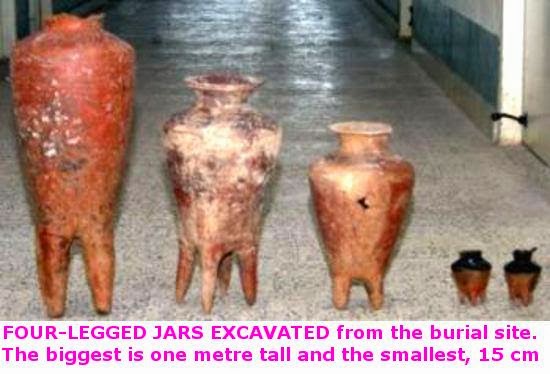
கண் டெடுக்கப்பட்டுள்ள இந்த சவஅடக்கம் செய்யப்பட்ட தாழிகள் பல அரிய பொருள்களைத் தந்துள்ளன. இரண்டு கிலோ நெல் உள்ளே வைக்கப்பட்டிருந்த நான்கு கால் கொண்ட ஜாடி ஒன்றும், வா-அய்-ரா என்ற தமிழ் பிராமி எழுத்துகள் பொறிக்கப்பட்ட இரண்டு மோதிர தாங்கிகள் ஆகியவை இதில் அடக்கம். அமெரிக்காவின் பிடா பகுத் தாய்வு நிறுவனத்தால் இந்த நெல் கி.மு.490 காலத்தைச் சேர்ந்தது என அக்சலேட்டர் மாஸ் ஸ்பெக்ட்ரோமெட்ரி முறையில் கணக்கிடப்பட்டுள்ளது. ஆய்வு தரும் முடிவுகள், அசோகருக்கு முந்தைய காலத்திய பண்டைய தமிழகத்தில் தமிழ் பிராமி எழுத்துகள் பயன்படுத்தப் பட்டுள்ளன. கி.மு. 500 காலத்தில் தமிழகத்தில் நெல் சாகுபடி நடந்து வந்துள்ளது. 

தமிழ் மொழிநடை 2000/2500 ஆண்டுகளுக்கு முன் உருவாக வேண்டுமெனில், நெடுங்காலம் முன்னரே மொழி தோன்றியிருக்க வேண்டும். இனக்குழுக்கள் ஒத்திசைவாய் புழங்கியிருக்க வேண்டும். இனக்குழுக்கள் திரண்டு ஓரினமாகுஞ் சூழல் ஏற்பட்டிருக்க வேண்டும். அண்டை அயலோடும், கடல்வழியும், கொடுக்கல் வாங்கல் கூடியிருக்க வேண்டும். பொருளியல் செறிந்திருக்க வேண்டும். எனவே தமிழர்களே உரக்க கூறுங்கள், நாங்கள் பத்தாயிரத்திற்கும் மேற்ப்பட்ட ஆண்டுகளின் வரலாற்றை உடையவர்கள் என்று.

மலேசியாவிலிருந்து வெளியாகும் வல்லினம் என்ற இணையதள கட்டுரை 

http://www.vallinam.com.my/issue34/ravikumar.html

ஆங்கில கட்டுரை, porunthal excavations

http://porunthal.blogspot.in/2011/10/porunthal-excavation.html

பிரான்ஸ் நாட்டு இணையதள கட்டுரை 

http://www.archeolog-home.com/pages/content/porunthal-inde-palani-excavation-triggers-fresh-debate.html


A great past in bright colours


உயர்வகைக் கல் மணிகள் (கார்னீலியன் அணிகலன்கள்)

"கார்னீலியன்" என்பது ஒருவகை மதிப்பு மிக்க கல் வகையாகும். தமிழகத்தில் இவ் வகைக் கற்கள், மணிகள், மோதிரங்கள் போன்ற அணிகலன்கள் செய்ய இரும்புக்காலத்திலும் சங்ககாலத்திலும் பயன்படுத்தப்பட்டன.

சிறப்பு:

இது ஆழ்ந்த சிவப்பு நிறமுடைய கல் வகையாகும். பாகிஸ்தானிலுள்ள மெஹ்ர்கரில் சுமார் 6000 வருடங்களுக்கு முன் இது பயன்படுத்தப்பட்டுள்ளது. சிந்துவெளி நாகரிக காலத்திலிருந்து இது அணிகலன்கள் செய்ய அதிகமாகப் பயன்படுத்தப்பட்டு வருகின்றது.

அணிகலன்கள் உண்டாக்கும் முறை:

இது கால்சிடொனி (chalcedony) என்ற இயற்கையாகச் சிறு சிறு கூழாங்களாக வட இந்தியா மற்றும் தக்காணப்பகுதிகளில் கிடைக்கின்றது. இக்கல்லைச் சூடு படுத்தி கார்னீலியனின் சிவப்பு நிறம் பெறப்படுகின்றது.

செய்யும் முறை:

சூடுபடுத்தப்பட்டு சிவப்பு நிறம் பெற்ற கார்னீலியன் கூழாங்கற்களிலிருந்து சிறு, சிறு செதில்கள் (மான் கொம்பாலான சுத்தியல் கொண்டு) உடைத்து எடுக்கப்பட்டு, செய்யப்படவேண்டிய அணிகலனின் தற்காலிக வடிவம் பெறப்படுகின்றது. பின்னர் இதில் மேலும் சிறுசிறு செதில்கள் உடைத்து எடுக்கப்பட்டு, வேண்டிய வடிவம் பெறப்படுகின்றது. பிறகு மணிகள் துளையிடப்படுகின்றன. இதில் துளையிடுவதற்குப் பலமணி நேரம் ஆகும் என கணக்கிடப்படுகின்றது. பின்னர், அது நன்கு தேய்க்கப்பட்டு மெருகேற்றப்படுகின்றது.

கிடைத்த இடங்கள்:

இவ்வகை மணிகள் ஆயிரக்கணக்கில் பெருங்கற்கால மற்றும் சங்க கால வாழ்விடங்களில் கண்டுபிடிக்கப்பட்டுள்ளன. பெருங்கற்கால ஈமச்சின்னங்களில் கார்னீலியன் மணிகள் காணப்படுகின்றன. கொடுமணல், தண்டிக்குடி, பொருந்தல் மற்றும் பிற இடங்களில் இது கண்டுபிடிக்கப்பட்டுள்ளது. வரலாற்றுத் தொடக்கக்கால வாழ்விடங்களில் மணிகள், மோதிரங்கள், மோதிரங்களில் பதிக்கும் கற்கள், மற்றும் பதக்கம் (cameo) ஆகியவை செய்ததற்கான சான்றுகள் கிடைக்கின்றன.

Porunthal Excavation

The Site

Porunthal  (77° 28’ 38” E; 10° 22’ 58” N), a tiny village discovered in June 2009, lies on the left bank of the river Porunthilaru at the foothill of the Western Ghat about 12 km southwest Palani. This site discovered by V.P Yathees Kumar in 2006.This historical village lies close to the major trade routes connecting Pandya capital Madurai on the south and Chera capital Vanji on the west. The site was excavated between May and June 2009. Historically, the village Porunthal was part of the territorial division known as Vaikavur nadu, named after the main village Vaikavur or Aviyur. This village was considered as part of present pilgrimage town Palani, the ancient Pothini. One of the famous Vel chieftains who ruled this region was Vel-Avi-k-ko-p-perum-pekan, who belongs to a clan group named Aviyar-kudi. The Sangam poet Porunthil Ilangiranar who hailed from this village composed a poem (Purananuru 53) in praise of Chera king Mantharal Cheral Irumporai, who believed to be issued inscribed coins with a title Kollipporai datable to 1st century AD.

Coin Hoards

Among the Roman coin hoards that encountered in India, nearly 90% of coin hoards were unearthed in Chera country along trade routes. One such coin hoard, accounting to 63 gold coins, discovered at Kalaiyamuttur on the left bank of river Porunthilaru in 1856, about 8 km down the stream from the site Porunthal suggests its importance. Other important archaeological sites that yielded Roman coin hoards in its vicinity were Budhinattam, Pollachi, Dharapuram and Karur.

Trade Guild inscriptions

Historically important medieval trade guild inscriptions issued by the trade guilds Ainurruvar/Tisai-ayirattu-ainurruvar were located about 5 km from Porunthal down the stream at Tamaraikulam and Rajapuram. The Tamaraikulam and Rajapuram lies on the bank opposite to each other suggesting the east-west trade route that would have crossed the river at this point. The Rajapuram inscription refers to a gift made by Tisai-ayirattu-ainurruvar for the maintenance of the garden of a Siva temple located at Tamaraikulam. The Tamaraikulam trade guild inscription issued in 1192 AD during the 9th regnal of Parakesari Viracholan, a Kongu Chola refers to the trade guild Ainurruvar. The availability of early historical vestiges, coin hoards, trade guild inscriptions, graffiti marks, brick structures, etc., in the archaeological sites located in and around Porunthal clearly points the potentiality of the site.  

Porunthal and its archaeological settings

All archaeological vestiges like habitation mound, Iron Age burials, historical temples and inscriptions lie on the left bank of river Porunthilaru. The habitation mound covering an area of about 5.5 ha of elevated field locally called paci-medu meaning bead mound (paci > bead; medu > mound) lies south of Marutha-kali-amman-koil. In support of this name, innumerable beads and bangles made of glass and paste were collected on the surface. The site might have survived for a longer period of time as bead manufacturing centre as attested by the occurrence fragments of tuyere, slag and furnace material. A fragmentary inscription datable to 12th century AD noticed on the slab, placed as a part of door jam of the medieval temple Marutha-kali-amman-koil, mentions this village as Porunthal. Early Historic grave yard, consist of stone circles entombing cist numbering around 50, was noticed at the foothill near the present hamlets Chinnagandhipuram. Besides, such Iron Age graves were noticed in the vicinity of Porunthal in the places at Ravimangalam, Puliyamarattusettu. Periyaduraikombai and Salpulparai.


Aims and Objectives of the Excavations
¨                To understand the cultural and chronological sequence of the site
¨                To study the spacio-temporal organization of the settlement
¨                To investigate the nature of glass bead making industry
¨                To evaluate the cultural transformation from Iron Age to Early Historic
¨                To understand the contextual position of the site in the Indo-Roman Trade
¨                To estimate the literacy status of the society during Early Historic times


Methodology

The Excavation was conceived as multidisciplinary archaeological research with involvement of archaeologists, geologists, palaeo-botanists, epigraphists, numismatics, archaeo-zoologists and palaeontologists. These scholars cutting across multi-disciplinary spectrum were visited during the excavation. Besides, several scientific institutions and laboratories like French Institute of Pondicherry, Paddy Processing Research Institute, Chemical Laboratory of Madras Museum and Tamil Nadu Agricultural University were associated with the post-excavation analysis.

Habitation Cuttings

In total, three trenches were laid one on southern part of the habitation mound and the remaining two at the central part. The two trenches were laid adjacent to each other in east-west orientation yielded similar cultural deposit. The material recovered from 250 cm cultural deposit suggests to a tentative date of 1st century BC and 3rd century AD. On the surface of the floor, several antiquities like glass and paste beads, glass bangles, pendent, copper bell, terracotta ear lopes, hopscotch, terracotta weight, gamesmen, stopper, spout, glass slag, bones, brick pieces, stone pebbles, gold pendent, ivory weight, etc., were recovered.

Glass Polishing Furnace

An oval shaped glass polishing furnace, with hearth side wall intact, was exposed almost at the centre of the floor with 60 glass beads. Two holes probably used for placing the bellow and a flat stone used by the glass-smith and several identical red ware bowls with wide mouth and narrow bottom were noticed in association with furnace. These bowls, placed around the furnace, might have been used in the workshop to keep the glass beads in heated condition. Several triangular terracotta pieces were recovered in association with these bowls.  These terracotta pieces might have used to polish the glass surface. The non-availability of glass slag, raw material for producing beads, tyueres and waste material clearly points to the fact this furnace might have restricted to the use of polishing the glass beads. Several hundreds of glass beads were encountered above this floor. Quite interestingly, the regular household pots used in the day to day domestic life were missing. All the pots recovered from these two trenches points to industrial activity rather than domestic activity. The occurrence of more than 2000 beads also supports this view.

Antiquities

Human terracotta figurine, gold piece, copper coin, terracotta humped bull, a terracotta female head and several pots and bowls were recovered. Besides, charred grains like paddy and seeds of tamarind were recovered at this stage. The important antiquities recovered from these trenches were beads made of glass, paste, quartz, shell, garnet and terracotta. Bangle pieces came from glass and shell. The terracotta objects like ear lobes, ear rings, games men, hook, hopscotch, spindle whorl, ball and cart-wheel are some of the interesting objects recovered from these cuttings. In case of metal objects iron arrow heads, knives and nails were collected sparingly. Likewise a copper ring and a bell were also collected. Two pendants one made gold and another of glass were also unearthed. Among the weights (presumably), made of quartz and ivory, were of note worthy.

Terracotta Figurines

The well-modelled human (male?) figurine with prominent human facial feature made out of pinching method has elongated body, broad shoulder and short legs, all suggestive of archaic figure generally dated to 1st century AD. Such unique terracotta figurines were not reported elsewhere in Tamil Nadu. In addition to these figurines, three torso figurines were recovered. Besides, a female head was recovered. The head with curling hairs was shown with prominent elongated ear. Near to these figurines, a square (Sangam Age ?) copper coin was also recovered.

Brick Structure

A brick structure was exposed on the north-eastern corner of the third trench. The brick wall with five courses was raised over a base made of 20 cm thick clay foundation. The bricks were laid using the English bond method. The size of the brick is 7x21x42 cm and 8x24x48 cm in the ratio of 1:3:6 cm. The stretcher and header method was adapted alternatively.

General observations

¨    The site was an industrial site involved with manufacture of the glass beads
¨    The inhabitants were rarely involved in agricultural production
¨    Glass manufacturing activities are more at lower levels when compare with the upper levels.
¨    Green beads were manufactured in larger quantities in early period and paste red beads in later periods.
¨    The occurrence of terracotta human figurines suggests their external contact.
¨    Though they were involved with the mass production of glass beads, their external trade contact was kept at minimal level. They might have involved in the manufacturing of beads rather than marketing. Marketing of these beads would have taken place at some other marketing sites, probably located along the trade routes.

Excavation of a Grave

The graveyard covering an area of 2 ha lies at the eastern side of the foothill of Tannasiyappanmalai. Among the graves, the one found in the cultivated field near to the main road was selected for excavation. The east facing transepted cist with passage on the east was placed almost at the centre of the circle. Grave goods were placed inside the northern and southern chambers and in the passage. Besides, grave goods were also noticed outside the chamber but mostly within the circle. Grave goods were placed at two levels. The first level of grave goods was noticed on the floor slab and the second level of grave goods was noticed at the porthole level. In case of northern chamber, almost all the grave goods except a pot were placed at the floor level. In case of southern chamber, the grave goods were placed at the floor level in all the three compartments/partitions but in a limited quantity. However, several grave goods were placed on the bench slab at the second level. The ritual performed in this grave was of high standard.

Both the northern and southern chambers were met with several pots like four legged jars, plates, ring stands, bowls, miniature bowls and antiquities like stirrups, beads, arrow heads, skeletal remains, swords, pots and knife. One of the legged jars carried the paddy, close to 2 kg, in comparatively better state of preservation. All the above grave goods were packed in a limited area on the western most part of the northern chamber. Next to this, on its east, the most important ring stand was noticed. This red slipped ring stand was placed in a vertical position on the floor slab. Around this 22 etched carnelian was placed. Of these 22 beads, two were button-shaped and remaining 20 beads were barrel in shape. Further, 4 more etched carnelian beads, a small sword and an arrow head were placed inside the ring stand. The tip of the sword and the arrow head were placed pointing upward. Of the 4 beads, one is a button-shaped but broken. An iron sword, in east-west orientation with tip on its west, was placed on the northern side of the above ring stand. The sword was placed close to northern orthostat. One of the important points to be observed is that all the ring stands that placed in this grave were made fresh and interned as grave good but the ring stand under discussion was a used one, probably, belonged to the deceased one. On his death, this would have brought and placed in the chamber and some important ritual might have performed.

Tamil-Brahmi Inscription

Above all, the ring stand under discussion had five post-firing graffiti marks engraved on the exterior surface of the shoulder portion of the ring stand. Four marks engraved on one side and the remaining one was on the opposite side. The four marks were placed facing west and the remaining solitary graffito on its opposite facing east. Of the four graffiti marks, three graffiti marks were Tamil-Brahmi scripts reading va-y-ra. These were smaller in size when compare with the fourth graffiti engraved next to these three scripts. The last symbol is identical to the one, both in size and shape that were found in most of the pots placed as grave goods in this grave. The fifth symbol engraved on the opposite side of the ring stand was identical to the fourth symbol. The Tamil-Brahmi script, graffiti marks, carnelian beads, an iron sword and an arrow head found in association with ring stand clearly points to the importance given by them. This ring stand, as said above, was placed close to human bone pieces placed over the broken legged jar and in the ring stand. The contextual position of the ring stand clearly points to its importance. Near to the orthostat, two long iron swords with a bunch of arrow heads close to its tip portion were observed. Besides, three set of iron stirrups were placed. Over these iron objects, bone pieces were placed in a black and red ware plate. In total, this chamber yielded beads of etched carnelian, agate, quartz and steatite totalling more than 8000 beads.
           
Highlights of the excavation

Discovery of
v    Glass polishing furnace
v    Highest number of glass beads (1744)
v    Terracotta figurine of 1st century AD
v    Highest number of beads (8533) from a single grave
v    Highest number of quartz beads (328) from a single grave
v    Highest number of steatite micro beads (7020) from a single grave
v    Evidence of paddy
v    Two inscribed ring stands with Tamil-Brahmi script from a grave

Excavation Team

Excavation Director  :           Dr.K.Rajan, Professor & Head, Dept. of History, Pondicherry             
                                                University
Site Supervisors         :           Mr. Yathees Kumar M.A., M.Phil
                                                Mr. S.Selvakumar, M.A., M.Phil
                                                Dr.G.Babu, M.A., Ph.D
                                                Mr. M.Prasanna, M.A., M.Phil
                                                Mr. R.Ramesh, M.A., M.Phil
                                                Mr.Sandeep Shetty M.A., M.Phil
                                                Mr. R. Ezhilraman M.A., M.Phil
            Mr. A.Perumal M.A., M.Phil

Besides, Ph.D scholars, M.Phil and Postgraduate students from Mangalore University, Sri.Venkateswara University, Tamil University and Pondicherry University actively participated and got trained in the explorations and excavation techniques. The several scholars cutting across disciplines visited the site during the excavations and rendered valuable academic input for the better understanding of the site.


Thursday, January 2, 2014

கொடுமணல் (Kodumanal - A 2,500-year-old industrial estate)


கொடுமணல் தொல்லியல் களம்  இன்றைய கொடுமணல் என்னும் சிற்றூரில் இருந்து ஒன்றரைக் கிலோமீட்டர் தொலைவில் அமைந்துள்ளது. இது தமிழ் நாட்டின் ஈரோடு மாவட்டத்தில்,  நொய்யல் ஆற்றின்  வட கரையில்,  ஈரோடு நகரிலிருந்து சுமார் 40 கிமீ தூரத்தில் உள்ளது. இதன் அமைவிடம்,  சங்ககாலச் சேரநாட்டின் தலை நகரமான  கரூரை,  மேற்குக் கடற்கரையுடன் இணைக்கும் பண்டைய வணிகப் பாதையில் இருப்பது குறிப்பிடத்தக்கது. கொடுமணம் என்று சங்ககாலத்தில் அழைக்கப்பட்ட இவ்விடம் பற்றிப் பதிற்றுப்பத்து என்னும் சங்க நூலில் குறிப்புகள் உள்ளன. கிறிஸ்துவுக்கு முந்திய முதல் சில நூற்றாண்டுகளில்  இப்பகுதி வணிகத்திலும், தொழிற் துறையிலும் சிறப்புற்று இருந்ததற்கான சான்றுகள் சங்க இலக்கியங்களில் காணப்படுகின்றன.

கொடுமணல் தொல்லியற் களம் 50 ஹெக்டர் வரை பரந்துள்ளது. இதில் பெரும்பகுதி புதைகுழிகள் அடங்கிய அடக்கக் களமாகக் காணப்படுகின்றது. இதனை அண்டிச் சுமார் 15 ஹெக்டர் பரப்பளவில் குடியிருப்புப் பகுதி இருந்தமைக்கான தடயங்கள் காணப்படுகின்றன.

இக்களம் 1961 ஆம் ஆண்டில் புலவர் இராசு, செல்வி முத்தையா ஆகியோரால் கண்டுபிடிக்கப்பட்டது. இதன் பின்னர் பல தடவைகளில் தொல்லியல் துறையினரால் இங்கே ஆய்வுகள் நடத்தப்பட்டுள்ளன. இவ்வாய்வுகளில், பெருங்கற்காலப் பண்பாட்டுக்குரிய 300 க்கும் மேற்பட்ட இறந்தோருக்கான நினைவுச் சின்னங்கள் கண்டுபிடிக்கப்பட்டுள்ளன. இவை பல வகைகளிலும், அளவுகளிலும் காணப்படுகின்றன.

புதுச்சேரி பல்கலைக்கழக வரலாற்றுத் துறை கடந்த ஏப்ரல், மே மாதங்களில் புதுப்பிக்கப்பட்ட, சமீபத்திய முறையிலான அகழ்வாராய்ச்சி ஒன்றை நடத்தியது. அதனை முன்னின்று நடத்தியவர்களுக்கு மிகச் சிறந்த செல்வச் செழிப்பான தொல்பொருட்கள் தற்போது கிடைத்துள்ளன.

ஆராய்ச்சியின்போது, நான்கு அகழிகளில் வைக்கப்பட்டிருந்த தொல் பொருட்கள், கி.மு நான்காம் நூற்றாண்டைச் சேர்ந்தவை ஆகும். அப்பொருட்கள், சிக்கலான தொழில் துறை அமைப்பை வெளிப் படுத்தியுள்ளன. தொழில் பொருட்களான, இரும்பு மற்றும் எஃகு, நெசவு, கல், காமதகம், விலை உயர்ந்த குண்டு மணிகளைக் கொண்ட ஆயிரக்கணக்கான வளையல்கள், மாணிக்கம் போன்ற கற்கள், இரத்தின கல் வகைகள்,  ஓனிக்ஸ்,  ஐவரி, காணீலியன் மற்றும் கருப்பு-பூனைக் கண் போன்ற விலை மதிப்பிலாத பல பொருட்கள் கிடைத்துள்ளன.

இப்பொருட்கள் நூற்றுக்கும் மேற்பட்ட பானைகளில் வைக்கப்பட்டிருந்தவை ஆகும். அப்பானைகள், மங்கல் சிவப்பிலான நிறத்தைக் கொண்டவை ஆகும். பருத்தி இழைகள் மற்றும் மெல்லிய தங்கத்தினாலான இழைகளால் நெய்யப்பட்ட மேற்பரப்பை கொண்டிருக்கின்றன. அவற்றில் 30 பானைகள் தமிழ் எழுத்துருவான பிராமி வரி வடிவங்களைக் கொண்டிருக்கின்றன.

அவற்றில் எழுதப்பட்டிருக்கும் வார்த்தைகள் தனிப்பட்ட மனிதர்களுடைய பெயர்கள் ஆகும். அவை 'சப மகதாய் பம்மதன்', 'சாத்தன்', 'விசாகி', 'சிலிகன்', 'உரணன்' மற்றும் 'திசன்' ஆகியவை.

இதில் ஒரு ஆச்சரியப்படத்தக்க விடயம் என்னவென்றால், பெரிய பானை ஒன்றில் தெளிவாகத் தெரியும் வகையில், 'சம்பன் சுமணன்' என்று பொறிக்கப்பட்டுள்ளது. பெயர் எழுதியிருக்கும் வரி வடிவமானது, தற்போது நடைமுறையில் இருக்கும் 'தமிழ்-பிராமி' எழுத்துரு வடிவமாகும். (பிராமி எழுத்துருவைப் பற்றிய மேலும் தகவல்களுக்கு: பிராமி_எழுத்துமுறை)

இவ்வகழ்வாராய்ச்சியின் இயக்குனரான கே.இராஜன் புதுச்சேரி பல்கலைக்கழகத்தின் பேராசியர் ஆவார். அவர் தரும் தகவல்கள் நம்மை பிரமிக்க வைக்கின்றது.

"இதில் ஒரு சிறப்பம்சம் என்வென்றால் கொடுமணல், முழுமையான தொழில் நகரமாக இருந்திருக்க வேண்டும். இப்பகுதியில், குறிப்பிடத்தக்க அளவு கூட இல்லாத, மிகச்சிறிய அளவே விவசாயம் நடந்திருப்பதாகத் தெரிகிறது. இது மாதிரியான தொழில்துறை வளம் மிகுந்த பகுதிகளில் இவ்வளவு ஆவணங்கள் இதற்கு முன்பு கிடைத்ததில்லை" என்கிறார். மேலும் கூறும்போது, "இதற்கு முன்பு பெரிய அளவில் அகழ்வாராய்ச்சி நடத்தப்பட்ட தமிழ் சங்கப் பகுதிகளாக விளங்கிய கொற்கை, பூம்புகார், கரூர், உறையூர், அழகன்குளம் மற்றும் பொருந்தல் போன்ற பகுதிகளில் கூட பெரிய அளவில் தமிழ்-பிராமி எழுத்துருக்களைக் கொண்ட பானைகள் காணப்படவில்லை" என்றார்.

'சம்பன்-சுமணன்' என எழுதப்பட்டிருக்கும் பெரிய பானை, கி.மு மூன்றாம் நூற்றாண்டைச் சேர்ந்தவை. அப்பானை, நான்கு அகழிகளின் நடுவில் இரண்டாம் நிலையில் வைக்கப்பட்டிருந்தது. ஒரு சில பானைகளில், 'சம்பன்' என்றோ அல்லது, 'சுமணன்' என்று மட்டும் எழுதப்படிருந்தது.

'சம்பன்' என்பது தந்தையின் பெயராகவும், 'சுமணன்' என்பது மகனைக் குறிப்பதாகவும் இருக்கலாம் என்கிறது ஆய்வு செய்த குழு.

எனவே, இத்தொழிற்பகுதி சம்பனுடைய குடும்பத்திற்கு சொந்தமானதாக இருந்திருக்கலாம்.

டாக்டர்.இராஜன் மற்றும் அவரது குழுவினர் மேலும் தோண்டியபோது, பழங்காலத்தில் புனித பொருட்களை வைக்கும் கல்லால் செய்யப்பட்ட பெட்டியும், கல்லறை போன்ற அமைப்பினையும் கண்டுபிடித்துள்ளனர். இப்பெட்டிகள் கிரானைட் கற்களால் செய்யப்பட்டவை. கற்களால் ஆன மூடிகளைக் கொண்டுள்ளன.மேலும் கிடைத்த சில பெட்டிகளில், உடைந்த எழும்புத் துண்டுகள் இருந்தன. இறுதி ஊர்வலத்தில் பயன்படுத்தும் பொருட்களாக, நான்கு ஜாடிகள், மோதிரம் மற்றும் சிதைந்த காணீலியன் மணிகள் கிடைத்தன.

புனித பொருட்களை வைக்கும் பெட்டியில் வரையப்பட்டிருக்கும் அம்புக்குறிக்கான அர்த்தம் தெரியவில்லை.மேலும், அப்பெட்டிகளில் கற்று புகும் அளவிற்கு சிறு துளைகள் இடப்பட்டிருந்தன.

தொழிற்பகுதியில் தண்ணீர் உபயோகத்திற்கான வசதிகள் சிறப்பான முறையில் செய்யப்பட்டிருக்கின்றன. அவை, இரத்தினக்கற்கள், சிறுமணிகள், நீலக்கல், காமேதகம் ஆகியவற்றை தயார் செய்ய பயன்படுத்தியிருக்க வேண்டும்.

நீலக்கல், சிவன்மலை மற்றும் பெருமாள் மலையில் இருந்தும், கடல் நீர் வண்ணக் கல்லானது, பாடியூரில் இருந்தும், இரும்புத்தாது வெண்ணி மலையிலிருந்தும் வரவழைக்கப்பட்டதாக குறிப்புகள் தெரிவிக்கின்றன. இப்பகுதிகள், கடுமாணலில் இருந்து 15 கி.மீ தொலைவில் இருப்பவை.

மேலும் சில கற்கள், மகாராஸ்டிராவில் இருந்தும், ஆப்கானிஸ்தானில் இருந்தும் கொண்டு வரப்பட்டவை ஆகும். கொடுமணலில் அழகிய மணிகள் செய்து வெளிநாடுகளுக்கு ஏற்றுமதியாகின.

தஞ்சாவூரை சேர்ந்த தமிழ் பல்கலைக்கழகம் மற்றும் தமிழ்நாடு தொல்பொருள் ஆராய்ச்சி நிறுவனம் ஆகியவை இணைந்து நடத்திய ஆய்வில் இதுவரை, 48 அகழிகள் மற்றும் 13 கல்லறைகள் கண்டுபிடிக்கப்பட்டுள்ளன. இந்த ஆய்வுகள் 1985 , 1986 , 1989 , 1990 ஆகிய ஆண்டுகளில் படிப்படியாக நடத்தப்பட்டது. தமிழ்நாடு தொல்பொருள் ஆராய்ச்சி நிறுவனம் 1998 மற்றும் 1999 இல் மேலும் 15 அகழிகளைக் கண்டுபிடித்தது.

இராஜன் பேசும்போது, "கொடுமணலில் நடத்தப்பட்ட ஆய்வு, தமிழகத்திலேயே மிகப்பெரிய அளவில் நடத்தப்பட்ட ஆய்வாகும். இந்தியாவில் இவ்வளவு பெரிய அளவிலான அகழிகள் இதுவரை கண்டுபிடிக்கப்பட்டதேயில்லை. வெவ்வேறு வகையான கல்லறைகள், வெவ்வேறு இன மக்கள் கூட்டாக வாழ்ந்ததை பிரதிபலிக்கின்றன. மேலும், 'திசான்', 'விசாகி' போன்ற பிராகிருத மொழிச் சொற்கள் தமிழ்-பிராமி எழுத்துருக்களில் பொறிக்கப்பட்டிருப்பது அக்காலத் தமிழர்கள் வடஇந்தியர்களுடன் கலாசார மற்றும் தொழில்ரீதியான தொடர்புகளை கொண்டிருந்தமையை நமக்கு அறிவுறுத்துகிறது" என்றார்.

கொடுமணலில் நடத்தப்பட்ட மேற்கண்ட ஆய்வு தமிழுக்கும், தமிழர்களுக்கும் மேலும் சிறப்பு சேர்ப்பதாய் உள்ளதுதானே?

இதுபோன்ற ஆய்வுகள் தமிழக அரசால் பெரிய அளவில் முன்னின்று நடத்தப்பட்டால் சங்க கால தமிழ் மக்களின் வளமான வாழ்க்கை உலகமறிய வெளிச்சத்துக்கு வரும் என்பதே அலை செய்திகளின் கருத்தாகும்.

The latest excavations confirm that Kodumanal was a prosperous industrial and trade centre that made iron and steel, textiles, bangles out of shells and exquisite beads

They were trenches from which you could not take your eyes off. In one trench, a big quartz block jutted out of the wall while smaller ones lay here and there. A few feet away was a stone anvil where these quartz blocks were cut into smaller sizes. Around the anvil lay scattered quartz chips glittering in the sun.

In the second trench, superbly cut barrel and disc-shaped quartz pieces lay in heaps. There was pottery jutting out of the trench wall. Two big circular kilns lay exposed on the third trench’s floor, where beads and pendants were made out of semi-precious stones such as quartz, carnelian, beryl, agate and black-cat eye. Near the kilns was a grooved stone where these rough-outs were rubbed and polished.

A superbly crafted pot — a russet-coated ware — with wavy patterns cried for attention nearby. Stone blocks, and quartz rough-outs and chips lay around in the fourth trench.

Kodumanal in Erode district, Tamil Nadu, never stops surprising archaeologists. In the seventh season of excavation in April and May this year, these four trenches have unravelled a complete gemstone industry, showcasing the stages involved in the manufacture of beads out of quartz, carnelian, agate, jasper, garnet, soapstone etc.

About 100 metres away, five more trenches have been dug, which have laid bare copper-smelting furnaces. The five trenches themselves yielded a bonanza of pottery with Tamil-Brahmi inscriptions.

SIGNIFICANT DISCOVERY

K. Rajan, Professor of History, Pondicherry University, and Director of Excavation at Kodumanal, called the unravelling of the gemstone industry, through the various stages of manufacture, “a significant discovery of this year’s excavation.” The discovery confirmed the findings of the previous excavations that Kodumanal prospered as an industrial and trade centre that made iron and steel, textiles, bangles out of shells and exquisite beads.

Dr. Rajan said: “The occurrence of gemstone, iron, steel, copper-smelting, conch-shell and textile industries suggest that this site survived as one of the important trade-cum-industrial centres from fifth century BCE (Before the Common Era) to first century BCE. The bustling industrial activity brought traders, artisans and skilled labourers from different parts of India to Kodumanal.” Charcoal samples collected from depths of 60 cm, 80 cm and 120 cm from different trenches at Kodumanal and sent for accelerator mass spectrometry (AMS) dating were dated to 275 BCE, 330 BCE and 408 BCE respectively, he said. “Cultural deposits available this year from a depth of 180 cm may push back the date by a century.”

http://www.thehindu.com/news/national/tamil-nadu/kodumanal-reveals-more-hidden-gems/article4728296.ece

http://www.thehindu.com/features/friday-review/history-and-culture/article3463120.ece

http://www.frontline.in/static/html/fl2915/stories/20120810291507000.htm

http://kodumanal.blogspot.in/

http://www.youtube.com/watch?v=5Jw-92PDlgM